

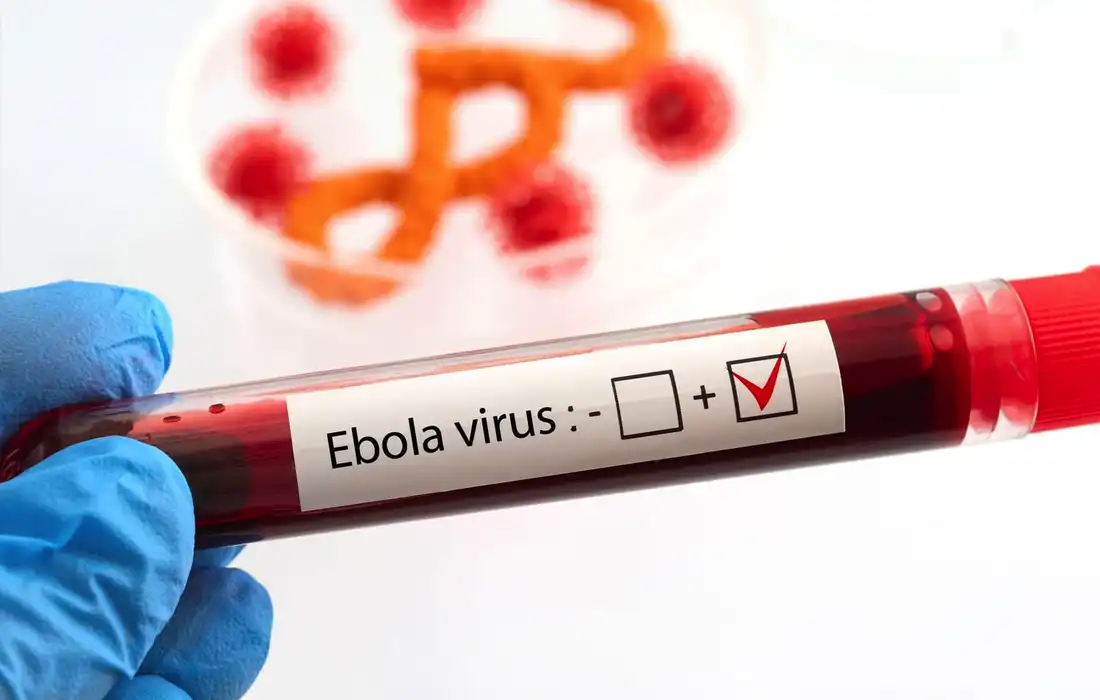

The DR Congo Ebola outbreak has reached record levels, with rising deaths, wider transmission and growing regional health concerns.
GENEVA: The DR Congo Ebola outbreak has become the country’s largest recorded Ebola emergency, prompting warnings about its rapid geographical expansion and the increasing threat of transmission beyond national borders.
According to the World Health Organisation, 3,605 confirmed cases and 1,587 deaths had been reported in the Democratic Republic of the Congo as of July 30, 2026. This represents a case fatality ratio of 44 per cent, meaning almost half of all confirmed patients have died.
The outbreak, caused by the Bundibugyo virus, has surpassed the country’s previous largest Ebola outbreak, which occurred between 2018 and 2020. That emergency recorded 3,317 confirmed infections, according to WHO data.
Why are Ebola cases increasing so rapidly?
WHO said most of the latest increase reflects the continued expansion of the outbreak, although stronger surveillance, additional laboratory testing and improved diagnostic capacity have also helped authorities identify more infections.
Cases have been recorded across 49 health zones in five provinces: Ituri, North Kivu, South Kivu, Haut-Uélé and Tshopo. Thirty-three of these health zones reported confirmed cases during the seven days before the latest WHO assessment.
Ituri remains the worst-affected province, accounting for 3,176 confirmed cases and 1,311 deaths. Bunia, Rwampara, Mongbwalu and Nizi are among the health zones reporting the highest infection totals.
The DR Congo Ebola outbreak is unfolding amid insecurity, population displacement and frequent movement between communities. These conditions can disrupt contact tracing, delay access to patients and make it harder for response teams to deliver supplies or provide safe medical care.
Could the outbreak spread to neighbouring countries?
The regional threat has increased because people regularly travel across borders for trade, work, healthcare and family reasons. Cases linked to the wider emergency have also been recorded outside the Democratic Republic of the Congo, including in Uganda.
WHO previously assessed the national risk in the Democratic Republic of the Congo as very high. It also classified the risk as high in Uganda and in countries sharing land borders with nations where the Bundibugyo virus had been detected.
Unlike some other forms of Ebola, there is currently no licensed vaccine or specific treatment for Bundibugyo virus disease. However, early supportive care can improve a patient’s chance of survival.
Health authorities are strengthening surveillance, contact tracing, clinical preparedness, community engagement and cross-border coordination. More than 17,800 contacts had been identified for monitoring across affected areas by July 30.
Containing the DR Congo Ebola outbreak will depend on reaching affected communities safely, identifying infections quickly and maintaining cooperation between national and neighbouring health authorities.