

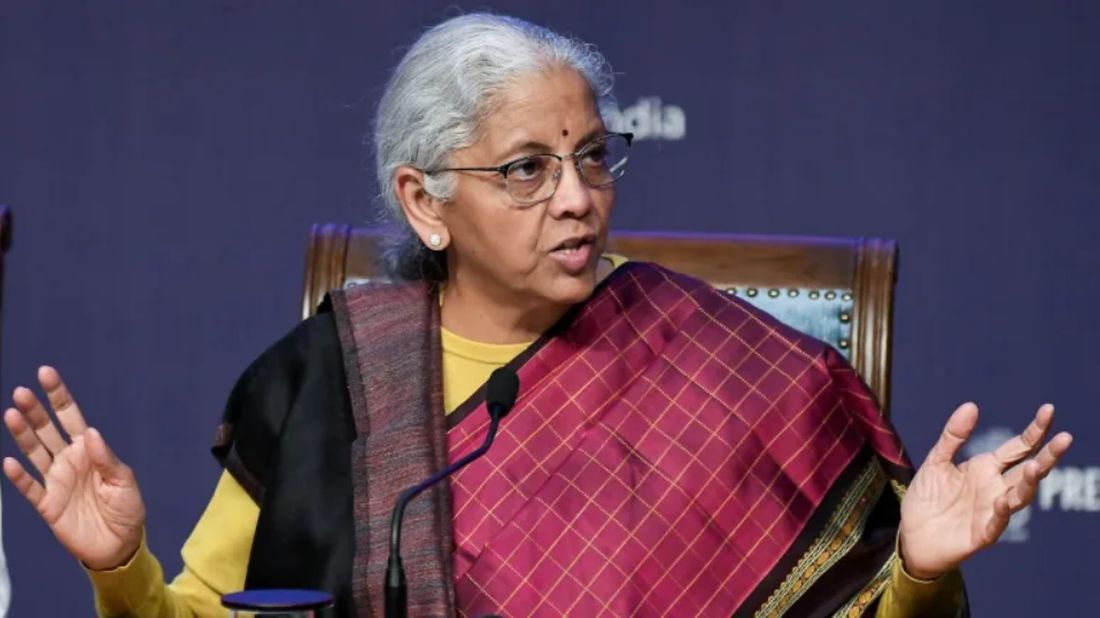

UAE-based Indian business and professional community lauds India’s Union Budget 2026–27 for SME funding, infrastructure, tax reforms, and stronger Indo-UAE trade prospects.
DUBAI: Leaders of the Indian business community in the UAE have strongly welcomed the Union Budget 2026–27, signalling renewed momentum for Indo-UAE trade and UAE-based Indian enterprises. At a high-impact India Dialogue Series event in Dubai, hosted by the Indian Business & Professional Council (IBPC Dubai) in association with the Taxation Society and India Club, a diverse gathering of business leaders, professionals and investors convened to analyse the Budget’s implications for cross-border commerce, investment and economic growth.
Anchored in Finance Minister Nirmala Sitharaman’s articulation of the budget as a ‘Yuva Shakti’-driven development agenda, discussions focused on three strategic pillars: deepening structural reforms, strengthening the financial sector, and accelerating the adoption of next-generation technologies including artificial intelligence and semiconductors.
Among the most widely discussed announcements were the allocation of ₹12.2 lakh crore in capital expenditure for FY27, the launch of a ₹10,000 crore SME Growth Fund (approx. USD 110 million), and new infrastructure initiatives such as seven high-speed rail corridors and the development of 20 national waterways. These were seen as key enablers for economic dynamism and expanded trade flows between India and the UAE, particularly in sectors like logistics, healthcare, electronics, and services.
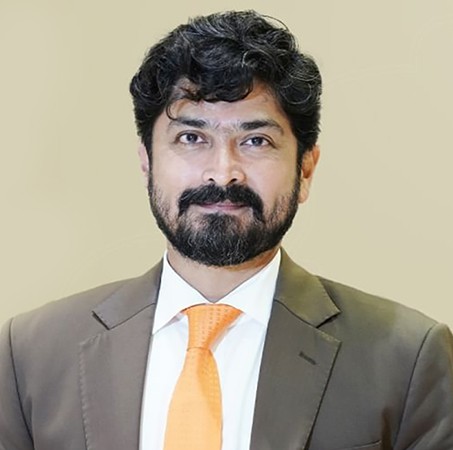
“In the words of the IMF, India sets the tone for the fiscal future of the world,” remarked Siddharth Balachandran, Chairman, IBPC Dubai. “This reform-oriented budget introduces bold and, in some cases, surprising changes to the tax regime. The impact of these measures will be felt over the coming months as they begin to reshape investor sentiment, business confidence, and long-term economic growth.”

Jai Prakash Agarwal, Chairman of the ICAI Dubai Chapter, focused on the tax and compliance reforms relevant to the NRI community. “There were no major overhauls, but some very positive signals. Investment limits have been doubled to 10% in listed firms, TCS has been reduced to 2% on foreign remittances for education and overseas spends, and the removal of TAN requirements on property sales by resident buyers is an indication that voices of NRIs are being heard.” He added that such steps promote ease of doing business and are likely to increase NRI investment in Indian markets.
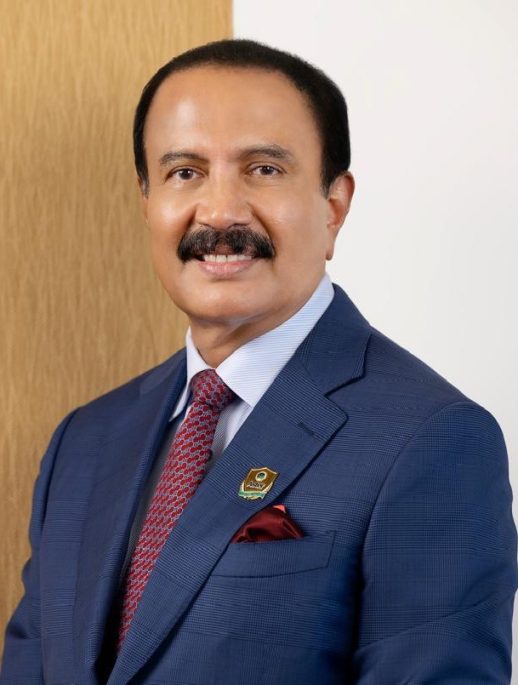
In the healthcare sector, Dr Azad Moopen, Founder and Chairman of Aster DM Healthcare, described the Budget as both thoughtful and forward-looking. “The Biopharma Shakti initiative, with its ₹10,000 crore outlay over five years, will boost innovation, manufacturing, and regulatory strength. It’s a strong signal that India is aiming to become a global hub for affordable, high-quality healthcare products.” He also highlighted the exemption of basic customs duty on 17 critical cancer drugs as a “timely and patient-centric measure” that will improve access and reduce financial pressure on families.
Dr Moopen also praised the Budget’s investments in healthcare infrastructure, particularly the 50% expansion of district hospital capacity and the establishment of three new AIIMS facilities. “The addition of NIMHANS 2.0 and large-scale training for Allied Health Professionals and caregivers shows a comprehensive approach to building a resilient healthcare ecosystem,” he said.

In the retail and manufacturing sectors, Kamal Vachani, Deputy CEO of Al Maya Group and Regional Director of the Electronics and Computer Software Export Promotion Council (ESC), welcomed several key announcements. “The India Semiconductor Mission 2.0 will not only reduce dependency on imports but also open new avenues for the Indian electronics sector,” he said. “The ₹10,000 crore SME Growth Fund will significantly boost small businesses and enhance growth potential.”
He further applauded the increased outlay for the Electronics Component Manufacturing Scheme (ECMS), which has been raised to ₹40,000 crore, saying it would encourage domestic production of key components like PCBs and camera modules, boosting self-reliance in tech manufacturing.
Industry-wide reactions also included strong endorsements from the FMCG sector. Stakeholders described the Budget as progressive and consumption-driven, especially due to its focus on infrastructure, rural demand, and measures benefiting MSMEs and logistics. Enhanced tax compliance norms and incentives were seen as facilitating smoother business operations.
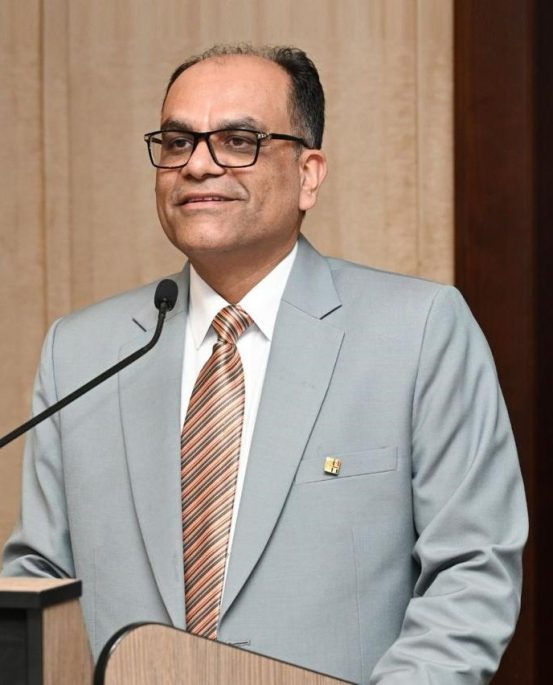
Dr Sahitya Chaturvedi, Chartered Accountant at Ajmal Perfumes and Secretary General of IBPC Dubai, expressed strong confidence in the Budget’s long-term impact. “This is a true Viksit Bharat Budget. It’s inclusive, forward-looking, and structured around long-term vision,” she said. “By focusing on MSMEs, AI innovation, and Yuva Shakti, the government has laid out a roadmap toward Viksit Bharat 2047. As members of the Indian diaspora in the UAE, we proudly support this national journey.”
Additional tax reforms were also hailed for their clarity and relevance. Provisions such as the extended deadline for revised tax filings till 31 March, simplified disclosures for small taxpayers, and reduced TCS rates were described as key enablers for smoother financial planning. The compliance burden for NRIs on property sales and overseas remittances has also been reduced, enhancing investor confidence.
Overall, participants viewed the Budget as fiscally sound, balanced, and future-focused. The 9% increase in infrastructure spending was particularly noted for its potential to attract foreign capital inflows, with many expressing optimism that it will strengthen India’s role as a global investment destination and an innovation-driven economy.