

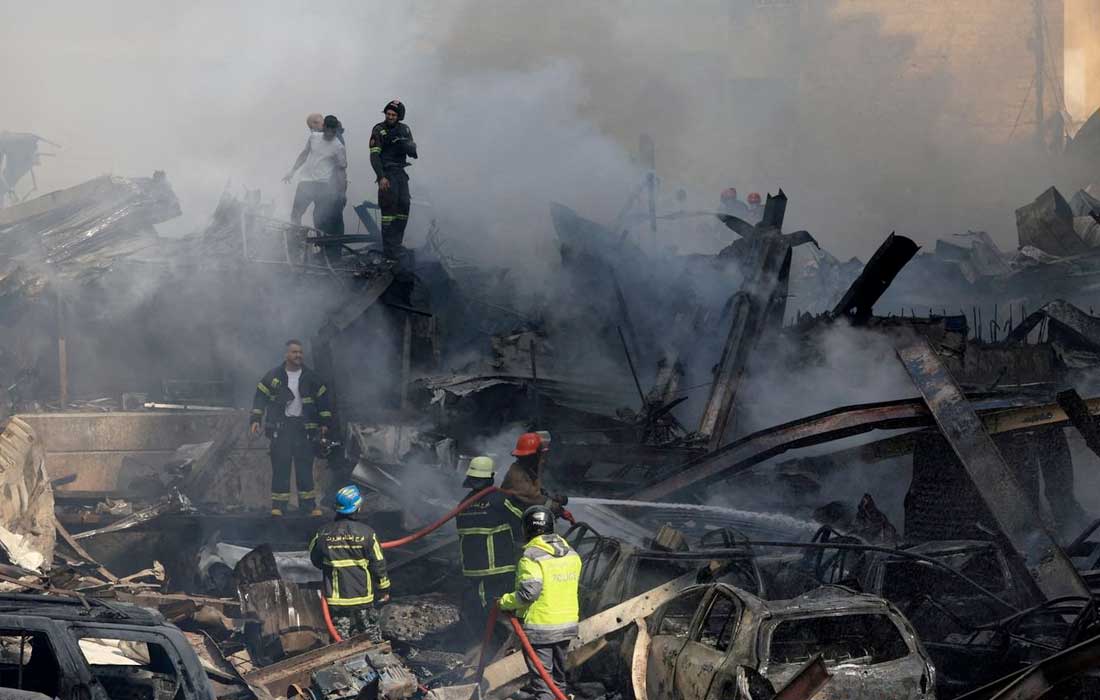

The death toll from Israeli attacks on Lebanon has reached 3,412, while more than 10,000 people have been injured.
BEIRUT: The Lebanese Ministry of Public Health has announced that the death toll from Israeli attacks on Lebanon has risen to 3,412, with 10,269 people injured as of May 31.
According to the ministry’s latest figures released on June 1, the casualties have been recorded since March 2, reflecting the continuing humanitarian impact of the conflict across various parts of the country.
The updated statistics indicate that thousands of civilians have been affected by the ongoing hostilities, placing significant pressure on Lebanon’s healthcare system and emergency services. Medical facilities and humanitarian organisations continue to provide treatment and support to those injured and displaced by the violence.
The Lebanon death toll from Israeli attacks has continued to increase as authorities assess casualties from recent incidents and update official records. Public health officials said the figures include both fatalities and injuries reported across affected regions.
Lebanon has faced repeated security and humanitarian challenges in recent months, with escalating violence contributing to widespread disruption in several communities. The continued rise in casualties has prompted concerns among humanitarian organisations and international observers regarding the impact on civilians.
The Lebanese Ministry of Public Health regularly publishes casualty updates to provide an overview of the human cost of the conflict and support coordination efforts among medical and relief agencies.
As the situation evolves, authorities continue to monitor developments and provide assistance to those affected. Hospitals, emergency responders and aid organisations remain engaged in treating the injured and addressing urgent humanitarian needs.
The Lebanon death toll from Israeli attacks remains a key indicator of the scale of the crisis, with officials warning that the numbers may continue to change as additional information becomes available.
Calls for de-escalation and efforts to reduce civilian suffering continue amid ongoing regional and international diplomatic engagement focused on restoring stability and preventing further loss of life.