

Discover why Georgia has become a favourite holiday destination for Middle East travellers. Explore Tbilisi, Batumi, Kakheti wine country, wellness retreats, adventure parks and family-friendly attractions.
TBILISI: Imagine leaving the shimmering skyline of Dubai, Abu Dhabi or Doha in the morning and, within just a few hours, finding yourself surrounded by snow-capped mountains, medieval churches, lush vineyards, charming cobbled streets and some of the warmest hospitality in the world. That is exactly what Georgia offers.
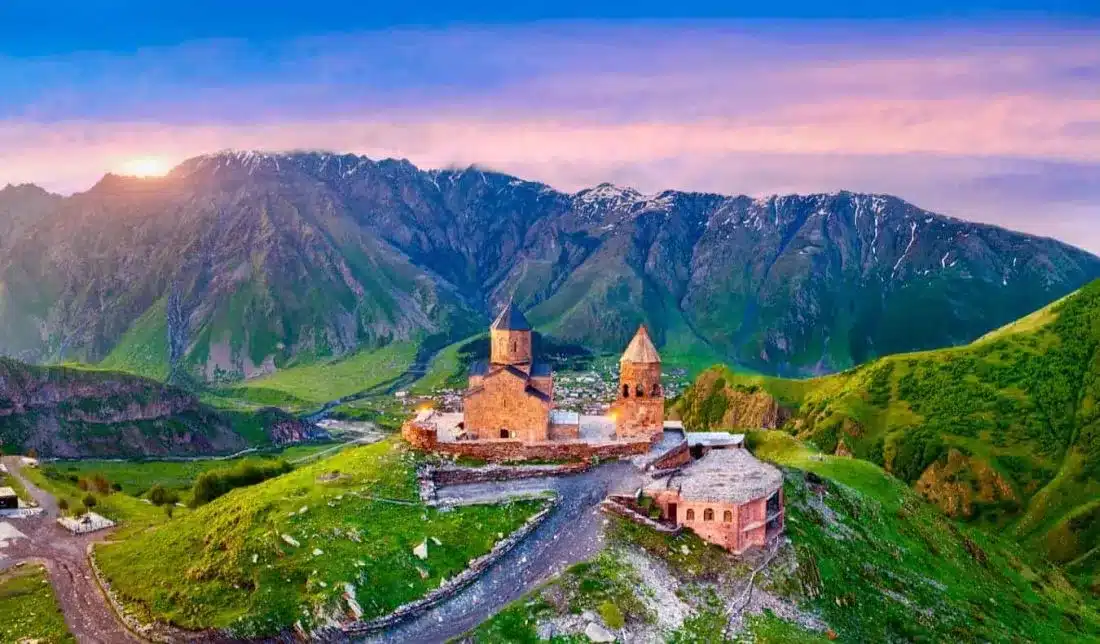
Over the past decade, the small Caucasus nation has quietly become one of the most sought-after holiday destinations for travellers from the Middle East. Once considered an undiscovered corner, Georgia today attracts hundreds of thousands of visitors from the Middle East. Only a three to four-hour flight from most Gulf countries. Add easy visa procedures for many nationalities, a welcoming atmosphere and excellent tourism infrastructure, and it becomes clear why Georgia has earned its reputation as one of the region’s favourite mountain escapes.
A holiday that suits every traveller
Whether travelling as a family during school holidays, planning a romantic honeymoon, organising a friends’ getaway or escaping the summer heat, Georgia offers experiences for every type of traveller.
Unlike many destinations where visitors must choose between beaches, mountains or cities, Georgia combines all three. In a single trip, travellers can explore ancient monasteries, hike through the Caucasus Mountains, relax beside alpine lakes, wander historic towns, enjoy Black Sea beaches and sample one of the world’s oldest wine cultures. The country’s compact size also allows visitors to experience several regions during one holiday without spending long hours travelling.
A country where hospitality comes naturally
Hospitality is deeply rooted in Georgian culture. Guests are traditionally treated with enormous respect, and it is not unusual for visitors to be welcomed with homemade food, local wine or invitations to family celebrations. This warmth has become one of the country’s strongest tourism assets.
Despite its relatively small population, Georgia has developed a tourism industry that balances international standards with authentic local experiences. Boutique hotels, mountain resorts, family-run guesthouses and luxury properties coexist, giving travellers plenty of accommodation options.
Tbilisi: A capital unlike any other
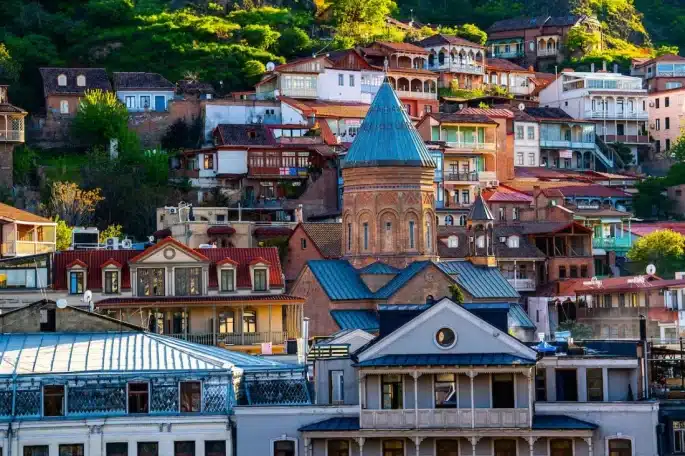
Georgia’s capital, Tbilisi, perfectly captures the country’s unique character. Founded more than 1,500 years ago, the city sits along the banks of the Mtkvari River, where Europe and Asia have influenced its architecture, cuisine and traditions for centuries.
Walking through Tbilisi is like turning the pages of a living history book. Persian bathhouses, Ottoman influences, Soviet-era buildings, modern glass architecture and contemporary art galleries stand side by side, creating one of the most visually fascinating capitals in the region.
The city’s colourful wooden balconies have become one of Georgia’s most recognisable symbols. Many overlook narrow stone streets lined with cafés, bakeries, wine bars and artisan workshops.
No visit is complete without wandering through Old Tbilisi, the historic heart of the capital. Its maze of narrow streets reveals churches, mosques, synagogues and historic buildings standing peacefully alongside one another, reflecting centuries of cultural coexistence.
Visitors can climb to the historic Narikala Fortress for panoramic views across the city before descending into the famous Abanotubani district, where Tbilisi’s story began.
The nearby Betlemi churches, hidden courtyards and charming cafés encourage visitors to slow down and absorb the city’s atmosphere rather than simply ticking off landmarks.
The famous sulphur baths
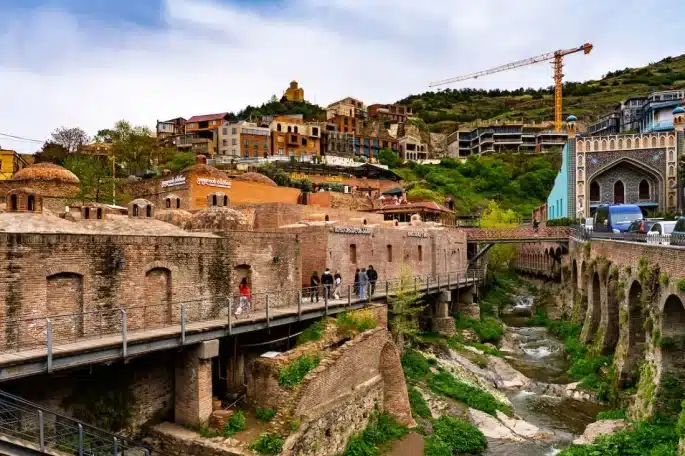
Tbilisi’s iconic sulphur baths are more than a tourist attraction; they are central to the city’s identity. Legend says King Vakhtang Gorgasali discovered the area’s natural hot springs while hunting, leading to the founding of Tbilisi itself. Even today, the distinctive brick domes of Abanotubani remain among the city’s most photographed landmarks.
Visitors can enjoy private bathing rooms filled with naturally heated sulphur-rich water believed to have therapeutic benefits. Many bathhouses also offer traditional massages and body treatments, making the experience both relaxing and culturally significant.
Among the best-known establishments is Gulo’s Thermal Spa, where travellers can experience this centuries-old wellness tradition in beautifully restored surroundings.
Art around every corner
Creativity flows through Tbilisi. Colourful murals decorate historic neighbourhoods, independent galleries showcase emerging artists and cultural festivals celebrate music, literature and theatre throughout the year.
One name stands above all others in Georgian art: Niko Pirosmani. His influence remains visible throughout Tbilisi, from museums and galleries to cafés inspired by his work.
Shopping beneath the city
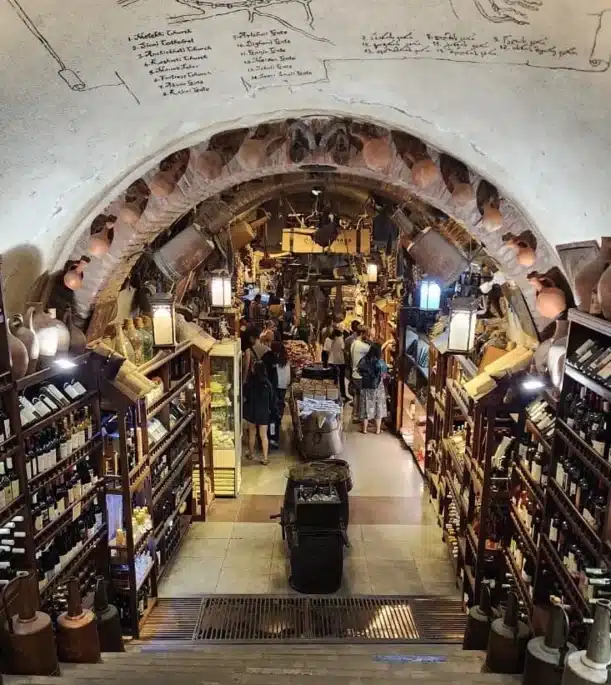
One of Tbilisi’s hidden treasures lies underground. Located beneath the historic district near Abanotubani, Meidan Bazaar recreates the atmosphere of the ancient Silk Road through beautifully designed stone passageways filled with artisan boutiques.
Visitors browse handcrafted carpets, ceramics, jewellery, spices, Georgian wines, local honey, traditional sweets and handmade souvenirs while learning about the country’s centuries-old trading traditions. For those seeking authentic gifts rather than mass-produced souvenirs, Meidan Bazaar offers one of Georgia’s most memorable shopping experiences.
A destination where Muslim travellers feel welcome
Georgia’s appeal extends beyond scenery and history. For visitors from the Gulf, one of the country’s greatest strengths is its ability to accommodate different cultural preferences while preserving its own traditions.
Halal food is widely available throughout Tbilisi, Batumi and other major tourist centres. Restaurants serving halal meat continue to grow in number, while Turkish, Lebanese, Middle Eastern and international cuisine is easy to find.
Many hotels understand the needs of GCC travellers, and Muslim visitors generally find the country comfortable, welcoming and family-friendly.
Georgian Healthcare that offers peace of mind
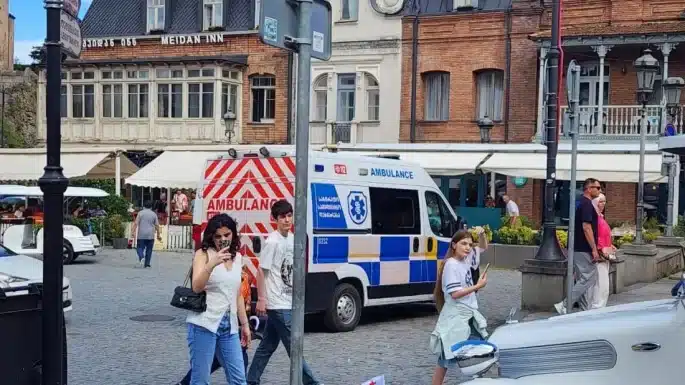
Georgia has also emerged as a growing destination for wellness and medical tourism. Modern private hospitals, internationally trained doctors and well-equipped clinics operate in major cities, providing reassurance for travellers who may require medical assistance during their stay.
All prime locations in the city are always on alert, with ambulances and healthcare workers available to respond to any medical emergencies or health issues affecting tourists.
Combined with the country’s famous mineral springs, wellness resorts and spa traditions, Georgia offers not only memorable holidays but also opportunities to relax, recover and focus on personal wellbeing. For many Middle East visitors, this combination of safety, hospitality, affordability and reliable healthcare adds another compelling reason to return year after year.
Kakheti: Where the world’s oldest wine story began
No journey through Georgia is complete without visiting Kakheti, the country’s celebrated wine region. Rolling vineyards stretch across fertile valleys against the backdrop of the Caucasus Mountains, creating one of the most picturesque landscapes in Eastern Europe.
Georgia proudly claims to be the birthplace of wine, and archaeological discoveries support that claim. Evidence suggests wine has been produced here for more than 8,000 years, making Georgian winemaking one of the oldest continuous traditions in the world.
Unlike modern wineries, many Georgian families still produce wine using qvevri – large clay vessels buried underground. This UNESCO-recognised method allows wine to ferment naturally, producing distinctive flavours found nowhere else.
For visitors, wine tasting in Georgia is about much more than sampling vintages. It is an immersion into centuries-old traditions where every meal is accompanied by heartfelt toasts, generous hospitality and stories passed down through generations.
The Tbilisi Wine Museum offers an excellent introduction to this heritage, while vineyard tours throughout Kakheti reveal why wine is deeply woven into Georgia’s cultural identity.
Kvareli Wine Tunnel: A hidden cellar beneath the mountains
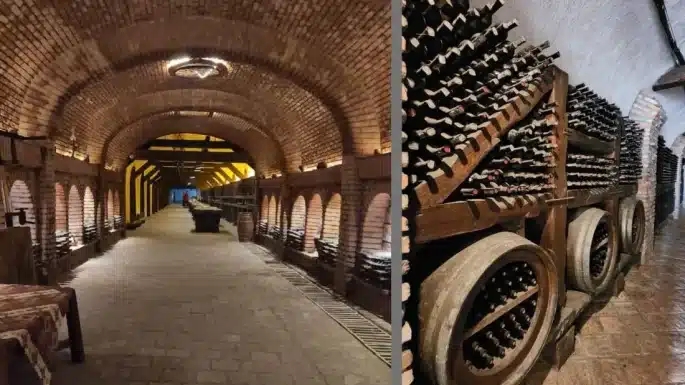
One of Kakheti’s most unusual attractions lies beneath the earth. The Kvareli Wine Tunnel, also known as Khareba Winery Tunnel, was originally constructed by the Soviet military during the late 1950s. Today it serves a completely different purpose.
Carved deep into the mountainside, the 7.7-kilometre tunnel maintains a naturally stable temperature ideal for ageing wine. Visitors can walk through one section while another continues to store tens of thousands of bottles of Georgia’s finest vintages.
Wine tastings inside the tunnel provide a memorable combination of history, engineering and gastronomy.
Asureti: Georgia’s German heritage
Few travellers expect to find a village with distinctly German architecture in the heart of the Caucasus. Founded by German settlers in the early nineteenth century, Asureti preserves elegant European-style homes, tree-lined streets and historic buildings that tell the story of Georgia’s multicultural past.
Walking through the village reveals how different cultures have shaped Georgia’s identity over centuries, adding another layer to the country’s rich heritage.
Batumi: Where the Black Sea meets modern luxury
If Tbilisi showcases Georgia’s history, Batumi represents its contemporary ambition. Situated along the Black Sea coast, Batumi has transformed into one of the country’s fastest-growing tourism destinations. Glittering skyscrapers, luxury hotels, casinos and a lively waterfront have earned it comparisons with Las Vegas, although Batumi retains a distinctly Georgian character.
The city’s palm-lined boulevard stretches for kilometres beside the sea, offering cycling paths, cafés, sculptures and spectacular sunset views. Families can spend the day at the beach before enjoying evening entertainment, while nearby botanical gardens and mountain villages provide quieter escapes from the city centre.
Dashbashi Canyon: A natural wonder with a modern twist
Adventure tourism is booming in Georgia, and Dashbashi Canyon has become one of its standout attractions. Located in the Kvemo Kartli region, the canyon features dramatic volcanic cliffs, waterfalls and lush greenery carved by the Khrami River over thousands of years.
The site’s biggest attraction is its spectacular diamond-shaped glass sky bridge, suspended high above the canyon floor. At its centre hangs a striking crystal-shaped viewing platform that appears to float in mid-air, providing breathtaking panoramic views.
For thrill-seekers, the attraction also offers rope cycling, where specially designed bicycles glide across suspended cables above the canyon, delivering an unforgettable combination of excitement and scenery.
Prometheus Cave: Journey into an underground world
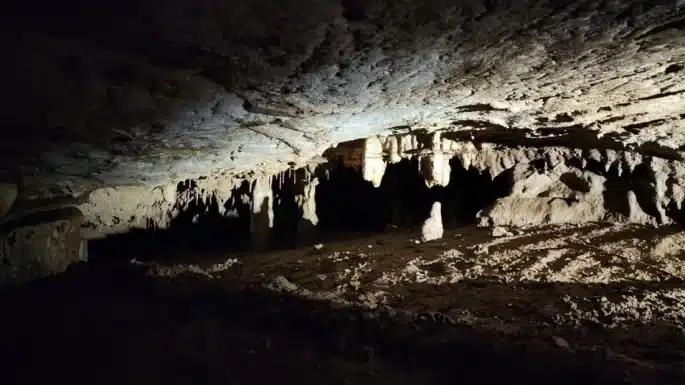
Near Kutaisi lies one of Georgia’s greatest natural treasures. Prometheus Cave, located in Kumistavi village, stretches deep beneath the earth through a magical world of illuminated stalactites, stalagmites, underground rivers and vast limestone chambers.
Although 22 halls have been discovered, six are currently open to visitors. A 1.4-kilometre walking route leads through spectacular caverns before ending with an unforgettable boat ride along the underground river.
The cave’s dramatic lighting and extraordinary rock formations create an almost mythical atmosphere, making it one of Georgia’s most photographed natural attractions.
Tskaltubo: Rediscovering a Soviet wellness retreat
Few places illustrate Georgia’s history quite like Tskaltubo. During the Soviet era, this spa town was one of the USSR’s premier health resorts, attracting visitors from across the former Soviet republics. Its naturally warm mineral springs, pine forests and clean mountain air were believed to benefit respiratory illnesses, arthritis and rehabilitation.
Elegant sanatoriums once welcomed thousands of guests every year, making Tskaltubo one of the Soviet Union’s favourite holiday destinations. Following the collapse of the USSR, many of these buildings fell into disrepair, while others temporarily housed refugees displaced by regional conflicts.
Today, several sanatoriums are being restored, blending historical architecture with modern wellness facilities. The town is once again attracting visitors seeking relaxation, mineral spa treatments and nature-based therapies.
Celebrating Georgian culture through food
Food plays a central role in Georgian identity, and Gemo Fest has become one of the country’s leading culinary celebrations. Organised by the Georgian National Tourism Administration, the travelling festival highlights regional cuisine, traditional recipes, artisanal food producers, local wines and folk performances.
Visitors experience everything from freshly baked bread and handmade cheeses to mountain honey and family recipes passed down for generations. The festival provides an authentic glimpse into Georgian hospitality while supporting local communities across different regions.
For More Information on travelling in Georgia Visit – https://georgia.travel
Why Georgia continues to win Middle Eastern hearts
Georgia’s appeal goes far beyond beautiful scenery. It is a destination where affordability meets luxury, ancient traditions coexist with modern comforts, and visitors are welcomed with genuine warmth.
Families appreciate the short flights, safe environment, halal dining options and excellent value. Couples fall in love with Sighnaghi and the vineyards of Kakheti. Adventure seekers head for Dashbashi Canyon and Prometheus Cave, while wellness travellers unwind in Tskaltubo’s mineral springs and Tbilisi’s famous sulphur baths.
Perhaps most importantly, Georgia offers something increasingly rare in today’s world: authenticity. Every village tells a story. Every meal is shared with generosity. Every landscape invites exploration.
For Middle East travellers looking beyond conventional holiday destinations, Georgia is not simply another place to visit. It is a country to experience, to savour and, more often than not, to return to.
From the artistic streets of Tbilisi and the romance of Sighnaghi to the Black Sea glamour of Batumi and the timeless beauty of the Caucasus Mountains, Georgia continues to prove why it has become one of the region’s most cherished travel destinations.