


UAE archaeological finds in 2026 are revealing how people lived, travelled and survived across the region thousands of years ago.
ABU DHABI: What was life like in the UAE thousands of years before its modern cities appeared? New discoveries made across the country in 2026 are helping archaeologists answer that question, with evidence of human activity going back as far as 60,000 years.
The UAE archaeological finds are giving researchers a clearer picture of how early communities lived, moved around and adapted to major changes in the climate. From ancient shelters in Sharjah to a large Bronze Age tomb in Al Ain, the discoveries show that people have been living and travelling through this region for a very long time.
One of the most interesting discoveries comes from Jebel Al Buhais in Sharjah. Researchers found evidence showing that early humans repeatedly used a rock shelter there between around 60,000 and 16,000 years ago. The study, published in Nature Communications in March 2026, is important because it suggests people returned to the area during very different climate conditions, including periods of severe drought.
Also read: Prince of Poets Season 12 draws 1,500 entries from 38 countries
Another major discovery was announced in Al Ain in July. Archaeologists working at the Qattara Archaeological Cemetery uncovered a remarkably well-preserved tomb dating to around 2000 to 1300 BCE. Measuring about 11 metres long and 2.5 metres wide, the tomb was used by hundreds of people over a period of at least 1,000 years.
What makes the tomb even more unusual is that ancient builders reused carved stones from older Umm al-Nar burial structures. Archaeologists also found pottery, weapons and personal ornaments inside. Human remains and objects from the site are now being studied using DNA and isotopic analysis, which could reveal where people came from, what they ate, their health and even ancient migration and trade routes.
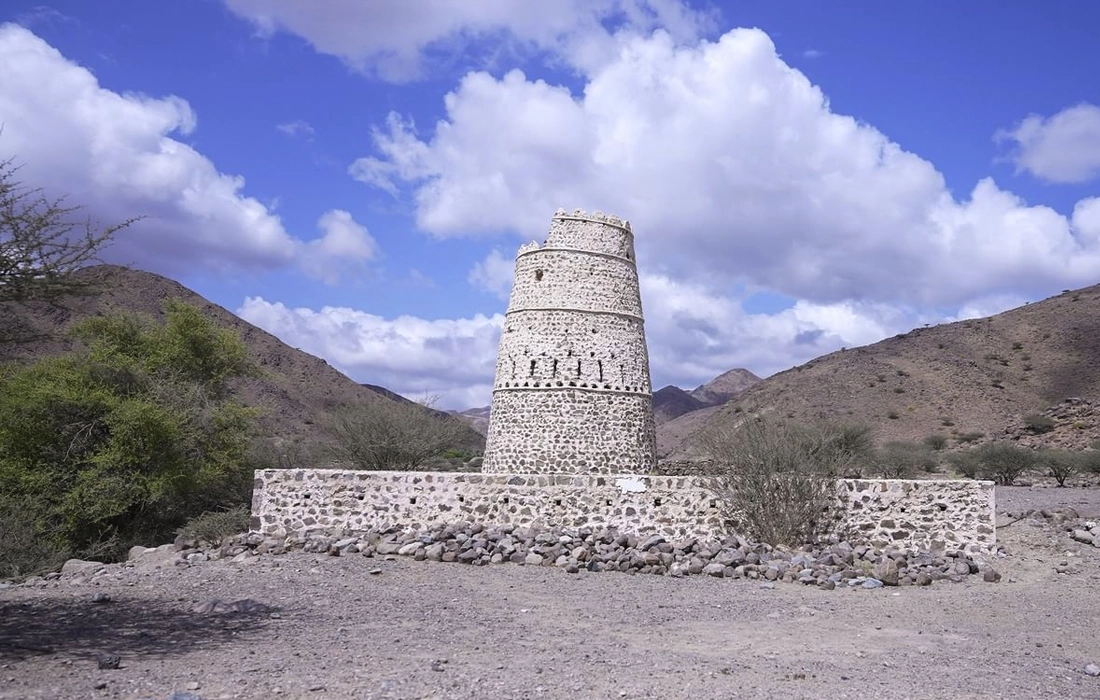
The latest UAE archaeological finds also come as more of the country’s historic sites gain international recognition. Five Emirati sites were added to the ICESCO Heritage List in 2026, including Saruq Al Hadid in Dubai and Jebel Faya, Nahwa, Wadi Al Helo and historic towers and forts in Khorfakkan.
Also read: Guggenheim Abu Dhabi to open December 11, 2026, bringing world-class art to the UAE
Some of these places still carry visible signs of ancient life. Wadi Al Helo has Bronze Age rock carvings and old village remains, while Nahwa contains rock art covering periods from the Bronze Age through to more recent times. Researchers are now using tools such as 3D technology to record and preserve these sites.
Jebel Faya is also entering a new research phase, backed by an AED2 million grant covering 2026 to 2028.
Together, these discoveries are showing that the UAE’s story began long before skyscrapers and modern cities. Every tomb, tool and piece of rock art adds another small piece to a much bigger story about the people who once called this land home.
News Impact
These discoveries could change what we know about early life in the UAE and the wider Arabian Peninsula. New DNA, scientific testing and archaeological research may reveal even more about ancient families, migration, food and trade.