

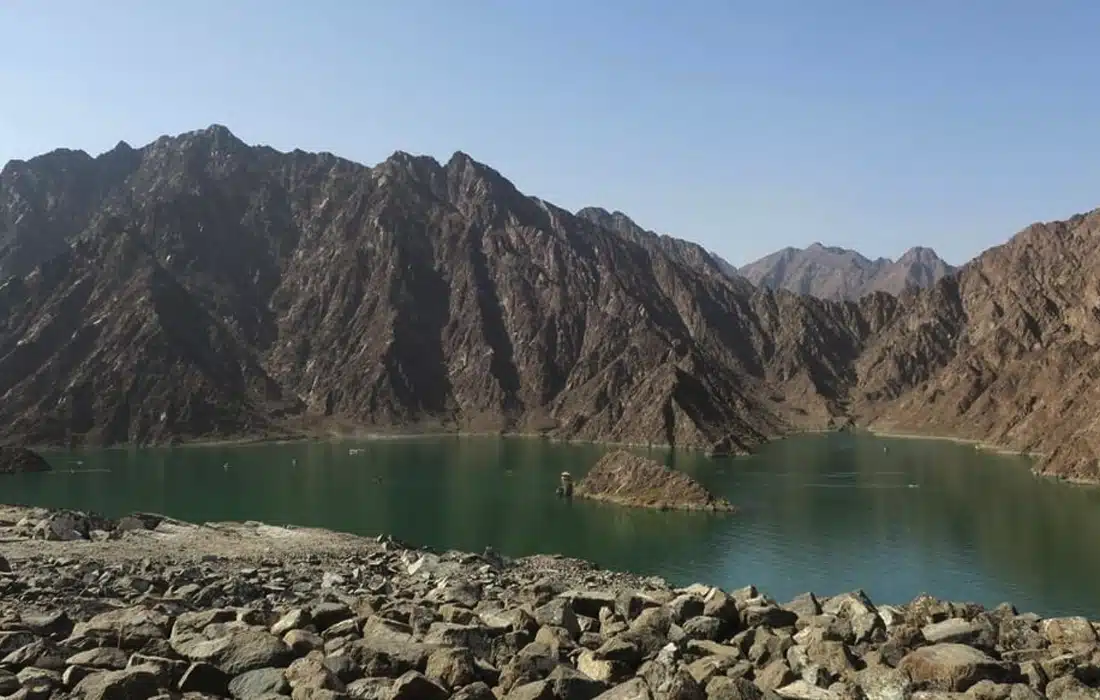

Hatta Mountain Reserve protects rare wildlife, freshwater habitats and mountain ecosystems across 21.56 square kilometres of south-eastern Dubai.
DUBAI: Away from the city’s towers and busy roads, Hatta Mountain Reserve is protecting one of the UAE’s richest natural environments. With rugged peaks, freshwater wadis and rare wildlife sharing the same landscape, the protected area shows a completely different side of Dubai.
Covering 21.56 square kilometres in the far south-eastern part of the emirate, the reserve brings together mountain and freshwater ecosystems in one location. This unusual combination creates the right conditions for hundreds of plants, birds, mammals, reptiles, fish and invertebrates to survive.
Also read: Love nature? Learn how your photos can help real science
And the biodiversity numbers are seriously impressive.
The reserve supports around 19 per cent of all plant species recorded in the UAE. It is also home to 79 per cent of the country’s dragonfly species, 27 per cent of its bird species, 44 per cent of its mammal species and 30 per cent of its recorded reptiles and amphibians.
Within its boundaries, experts have documented 128 bird species, 27 mammal species, 20 reptile species and 133 plant species. The reserve also supports nine fish species, two amphibian species and 29 invertebrate species.
These figures make Hatta Mountain Reserve one of the UAE’s most important locations for protecting native biodiversity.
Also read: These orcas have sunk boats and scientists think they may enjoy it
Its best-known resident is the Arabian tahr, a rare mountain animal that has been chosen as the reserve’s official emblem. Hatta is the species’ only known habitat within the Emirate of Dubai, making conservation work in the area especially important.
The reserve also provides shelter for globally endangered wildlife, including the Egyptian vulture. Protecting these species requires more than simply marking the area as protected. Their food sources, breeding grounds, freshwater habitats and movement routes must also remain healthy.
That is why the Dubai Environment and Climate Change Authority continues to manage the wadis as natural corridors connecting different habitats. These corridors allow wildlife to move safely across the landscape while helping ecosystems remain balanced over time.
The authority is also working to conserve freshwater habitats, protect mountain terrain and monitor the reserve’s plant and animal life. Visitors are encouraged to experience the natural surroundings responsibly, helping to build greater awareness of why these fragile environments matter.
Also read: Why Hamdan is promoting the Flame Tree; how it secretly cools Dubai while setting streets on fire
In 2019, Hatta Mountain Reserve was recognised as a Wetland of International Importance under the Ramsar Convention. It became Dubai’s third site to receive the status after Jebel Ali and Ras Al Khor Wildlife Sanctuary.
The international recognition highlights how valuable the reserve is beyond Dubai. By protecting its mountains, wadis and endangered species, the emirate is showing how nature conservation can remain part of long-term development rather than being pushed aside by it.