

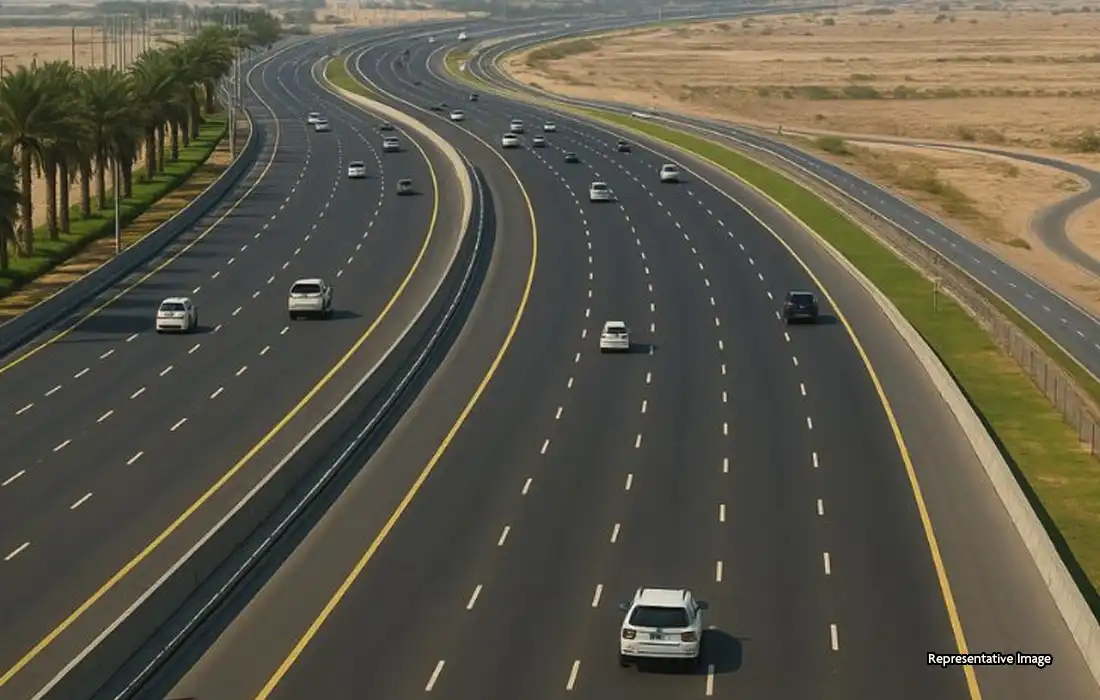

New UAE traffic rules taking effect on January 1, 2027, introduce a nine-hour daily driving limit, mandatory e-scooter permits, revised age requirements and new vehicle registration restrictions
ABU DHABI: The UAE has announced new federal traffic regulations that will take effect on January 1, 2027. The changes introduce a nine-hour driving limit, stricter e-scooter requirements and updated vehicle registration rules.
Cabinet Decision No. 174 of 2026 outlines the changes under Federal Decree-Law No. 14 of 2024. The regulations aim to improve road safety, prevent driver fatigue and strengthen traffic management nationwide.
Nine-hour driving limit applies to motorists
Under the new UAE traffic rules, motorists cannot drive for more than nine hours within any 24-hour period. The restriction applies to drivers generally, including private motorists and commercial vehicle operators.
Drivers must also stop driving whenever fatigue affects their ability to operate vehicles safely, even before reaching the nine-hour limit.
The UAE recorded 20 traffic accidents linked to driver fatigue and drowsiness in 2025, according to Ministry of Interior figures.
New e-scooter age and permit requirements
The regulations set 15 as the minimum age for applying for an e-scooter permit. Riders must obtain permits valid for three years and register their devices with the relevant authorities.
E-scooters must carry headlights, rear lights, brake lights and audible warning devices. Riders must use designated routes and cannot travel on roads reserved for motor vehicles.
However, authorities have not clarified how the new federal age requirement will interact with Dubai’s existing minimum riding age of 16.
Vehicle registration rules change
Residents can register up to five vehicles, with additional fees applying from the third vehicle onwards. Eligible new vehicles may also qualify for two-year registration. The changes will affect motorists, vehicle owners and personal mobility users across the UAE.
Impact to Expect
The UAE’s 2027 traffic rules could reduce fatigue-related accidents, improve e-scooter safety and strengthen vehicle regulation. Motorists and riders will need to follow updated driving limits, permits and registration requirements.