
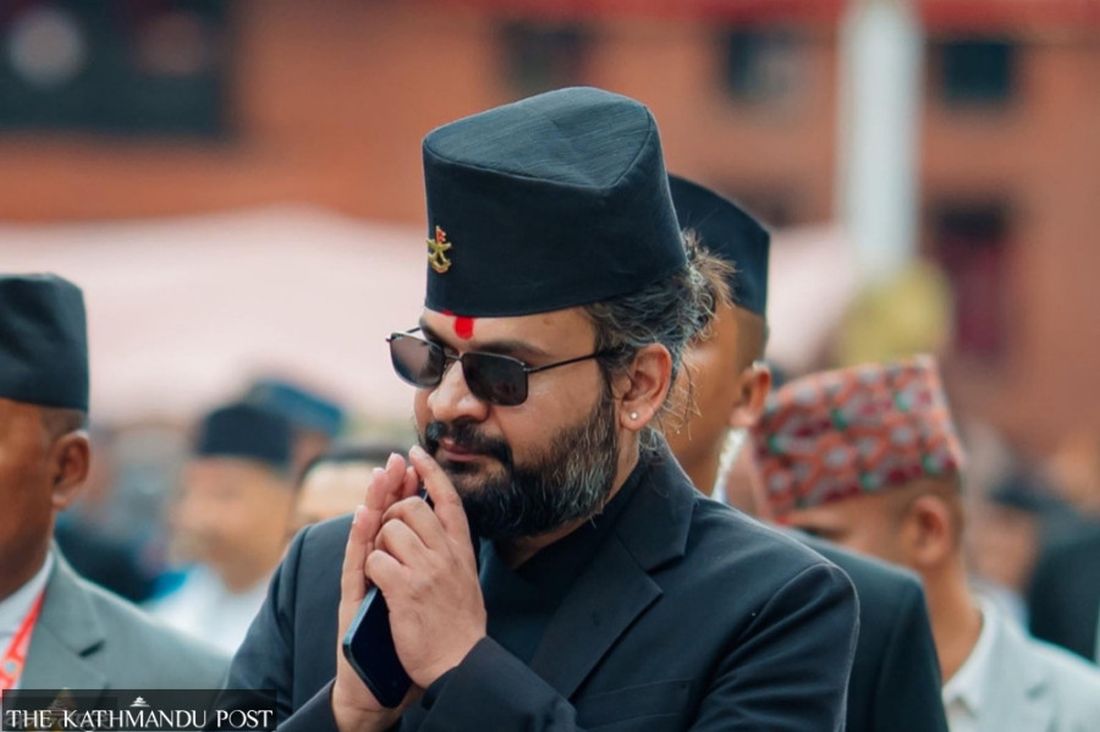

Nepal prime minister Balendra Shah takes office after a sweeping win, marking a generational shift in the country’s political leadership
KATHMANDU: Nepal prime minister Balendra Shah has been sworn in as the youngest leader in decades, following a decisive electoral victory that reflects a strong wave of public demand for change. The former rapper turned politician secured widespread support, particularly among younger voters frustrated with traditional political structures.
The appointment of Nepal prime minister Balendra Shah signals a notable shift in the country’s leadership landscape. Known for his anti-corruption stance and grassroots appeal, Shah built his campaign around transparency, accountability and urban reform. His rise has been closely linked to a growing youth movement seeking more responsive governance.
Crowds gathered in Kathmandu to witness the swearing-in ceremony, with supporters celebrating what many see as a break from long-standing political norms. Analysts say the election outcome underscores a broader trend across South Asia, where younger leaders are gaining traction by addressing issues such as governance, employment and public services.
As Nepal prime minister Balendra Shah assumes office, expectations remain high. Key priorities are likely to include tackling corruption, improving infrastructure and addressing economic challenges that have affected daily life in the country. Observers note that translating campaign promises into policy will be a critical test for the new administration.
International reactions have also begun to emerge, with neighbouring countries and global partners expressing interest in working with the new government. Shah’s leadership is expected to influence Nepal’s diplomatic and economic direction in the coming years.
While challenges remain, the leadership transition represents a significant moment in Nepal’s political journey. For many citizens, it offers renewed optimism and a sense that change is possible through democratic processes.