

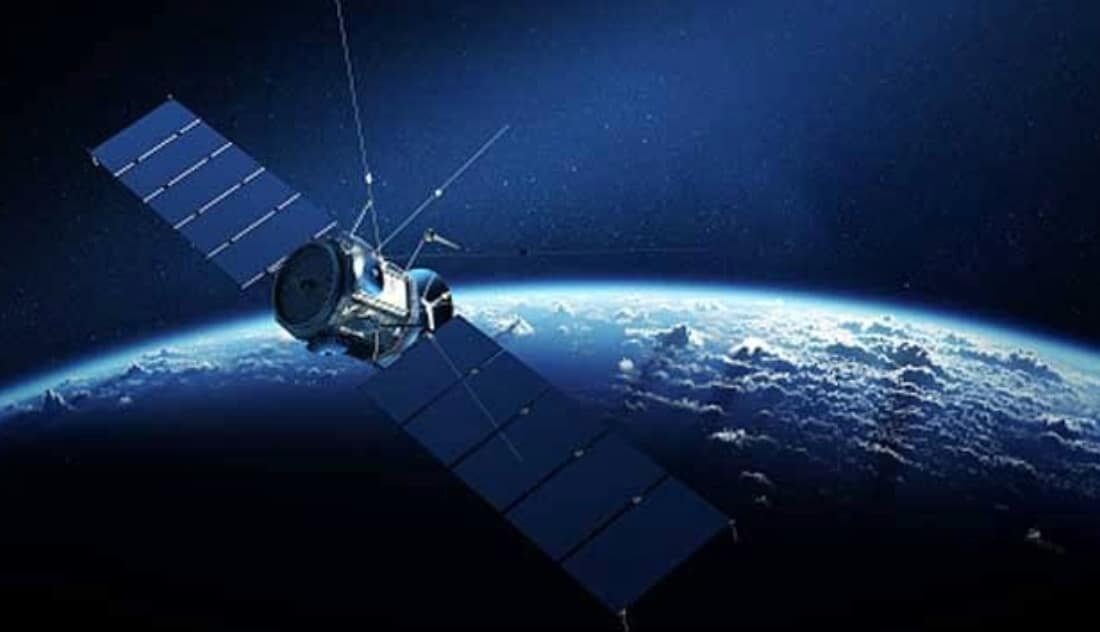

China successfully launched four satellites aboard a CERES-2 Y3 rocket from Jiuquan Satellite Launch Centre on November 7, 2026, supporting ocean observation, weather monitoring and scientific research
JIUQUAN: China successfully launched four satellites into orbit on Saturday, November 7, 2026, aboard a CERES-2 Y3 carrier rocket from the Jiuquan Satellite Launch Centre in northwest China.
The rocket, developed by Chinese commercial aerospace company Galactic Energy, successfully delivered all four satellites into their designated orbit, according to reports carried by Xinhua and the Emirates News Agency (WAM). The satellites entered a sun-synchronous orbit approximately 535 kilometres above Earth, marking another step in China’s expanding commercial space programme.
Satellites to support weather and ocean monitoring
The four satellites will support different applications, including ocean observation, meteorological data collection, university research and space environment monitoring. These missions are expected to strengthen scientific data collection and improve understanding of environmental conditions on Earth and in space. Deploying multiple satellites aboard a single rocket also allows operators to share launch resources and potentially reduce deployment costs.
CERES-2 rocket demonstrates upgraded technology
According to Galactic Energy, the mission helped validate improvements introduced following previously identified technical problems. The company upgraded several rocket systems, including the propulsion system of its liquid-fuel upper stage, electrical components and launch support equipment. The CERES-2 rocket features three solid-fuel stages and a liquid-fuel upper stage. It has a liftoff mass of approximately 100 tonnes and can carry up to 1.3 tonnes into a 500-kilometre sun-synchronous orbit.
Impact to Expect
The successful launch highlights China’s growing commercial launch capabilities and its efforts to develop more efficient satellite deployment systems. The four satellites could contribute to environmental monitoring, weather research and scientific observations while supporting further innovation in aerospace technology.