

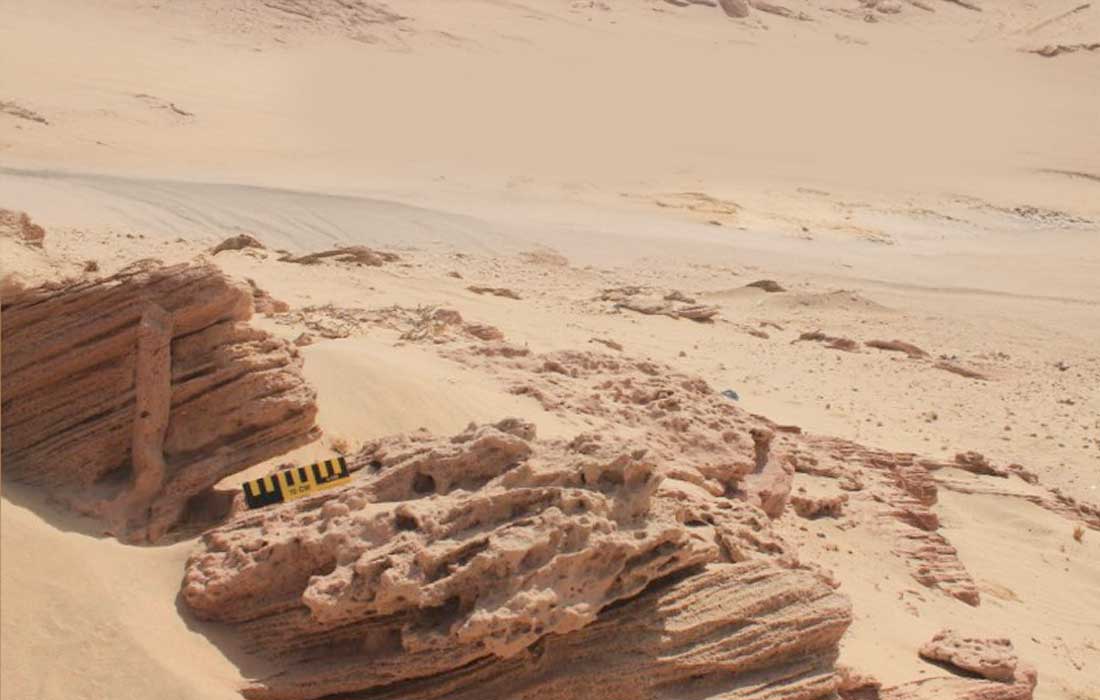

Kuwait is transforming its fascinating desert landscapes and prehistory site into a major tourist destination with the launch of the Kuwait Geopark project.
Kuwait: The Kuwait Geopark project is gaining momentum as authorities work to turn it into a major new tourism destination that celebrates the country’s natural history and cultural landmarks. During a recent inspection tour of the site, Minister of Information and Culture and Minister of State for Youth Affairs Abdulrahman Al‑Mutairi said the aim is to create opportunities for everyone involved while boosting the tourism sector.
The project is overseen by the Ministry of Information and is being carried out by Kuwait Oil Company (KOC) in collaboration with the Touristic Enterprises Company, the Kuwait Geosciences Society and other public entities. Al‑Mutairi said his meeting with representatives from government organisations and the private sector was focused on ensuring a coordinated and smooth implementation of the initiative.
مشروع "جيو بارك" أول حديقة جيولوجية في دولة الكويت#CGCKuwait pic.twitter.com/xSpPYvMUwJ
— مركز التواصل الحكومي (@CGCKuwait) November 28, 2025
He said the Geopark reflects the unique geological, climatic and environmental features of Kuwait and the wider Gulf region and is expected to introduce a range of tourism activities for visitors of all ages. The initiative also supports efforts to expand partnerships and open new horizons for the country’s tourism sector.
KOC Deputy CEO for Planning and Innovation Mohammad Khalifa Al‑AbdulJaleel highlighted the site’s historical and archaeological importance. He explained that the area dates back to the Ubaid period, around 5500 to 4900 BC, a key era in early human settlement and the development of civilisation in West Asia and the Gulf region.
Al‑AbdulJaleel added that KOC will lead the construction and development of the site, drawing on its technical expertise and its long history of supporting cultural and environmental projects. Located north of Kuwait Bay, the Geopark includes dramatic landscapes ranging from striking desert outcrops in Subiya to rugged escarpments in Jal Az‑Zor. These features make the site a strong candidate for inclusion in the UNESCO Global Geoparks network.
The project is designed to give both residents and international visitors a chance to explore natural wonders, learn about ancient history and enjoy a unique tourism experience in a setting unlike any other in the region.