

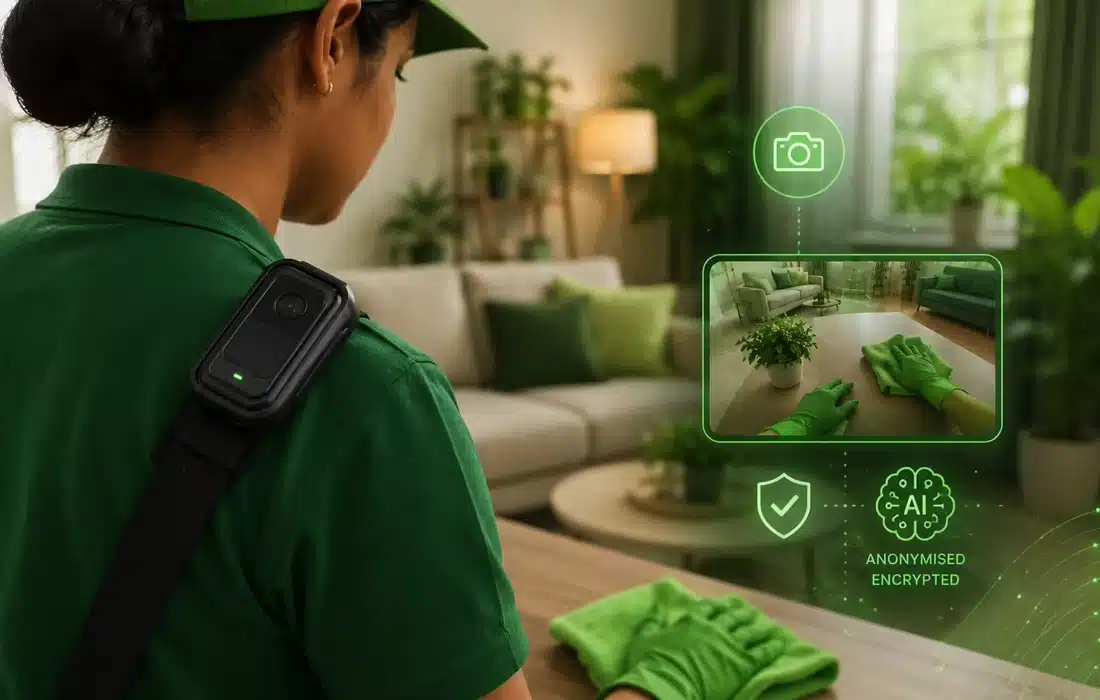

Pronto Verified pays domestic workers double to record videos inside customers’ homes for AI training, but the idea has sparked privacy concerns in India.
BENGALURU: A startup in India has come up with an unusual way to collect data for artificial intelligence, and it is getting people talking.
Twenty-four-year-old Anjali Sardana, founder of Bengaluru-based startup Pronto, says she wants domestic workers to benefit from the growing AI industry. Her company has launched a service called Pronto Verified, where workers record videos inside customers’ homes. The videos are later used by US AI companies to train their AI models.
Also read: Claude AI shared chats appeared in Google Search, raising fresh privacy concerns
The service started in May and has already sparked a debate. While some people see it as a new way for domestic workers to earn more money, others are worried about privacy. The idea has also attracted the attention of Indian authorities.
Sardana says customers are always asked for permission before any recording begins. She also says workers who take Pronto Verified jobs are paid twice as much as they would earn from a normal booking.
As per agency reports, the company believes these real-life videos can help AI systems better understand everyday homes and improve how they work in the future.
Some customers are comfortable with the idea. One customer, Ahuja, said she does not mind her home’s videos being used to train AI.
“Everyone is just collecting data. I think it’s everywhere, so it’s fine. It’s beyond our control now,” she said.
Others are not so sure. Critics say people need to clearly understand where the videos go, who can access them and how they will be used before agreeing to take part.
The story has started a bigger conversation about AI and privacy. As companies race to build smarter AI tools, they need huge amounts of real-world data. But many people believe collecting that data should always come with clear consent and strong privacy safeguards.
For now, Pronto Verified is giving domestic workers a chance to earn more. At the same time, it is raising important questions about how much access AI companies should have to people’s homes and personal spaces.