


Sustainable leadership is emerging as a proven approach that combines employee wellbeing with strong business performance, helping organisations build resilient, productive and engaged teams.
Something encouraging is happening in the professional world today. Caring for people and delivering strong results are no longer treated as competing priorities. A growing number of executives and workplaces are proving they can be the same priority, and the evidence supports them. Employees who feel their employer genuinely cares about their wellbeing are far more likely to stay, engage, and do their best work. That is a measurable, competitive advantage.
Reframing the Definition of Performance
For a long time, performance first cultures equated commitment with visibility: hours logged, emails answered late at night, cameras on for every call. Increasingly, decision makers recognize these were never reliable measures of dedication nor eventual results. What actually predicts strong performance is clarity of thinking and the capacity to sustain it, and that comes from people who feel supported rather than watched. Shifting the definition of performance toward sustainability is one of the smartest moves an organization can make.
Wellbeing as a Strategic Business Input
This is a principle we apply constantly in our own work designing hospitals, workplaces, and communities. A building only functions well if it is designed around how people actually interact and move through it, not around a hypothetical average user. Management works the same way. A growing number of organizations are treating wellbeing as a genuine input into decision making, alongside budget and headcount, rather than a perk layered on top. In practice, wellbeing looks different depending on who is in the room, whether it is:
- A new parent juggling childcare logistics
- An employee managing a chronic health condition
- Someone caring for an aging parent
- An early career hire still building confidence
- A person returning from leave or starting a family
A manager’s everyday behavior shapes how engaged a team feels more than almost any policy in a handbook. Better habits, not bigger budgets, are often the fastest lever for change. Meaningful progress does not require a large investment. It requires intention, consistency, and a willingness to model the behavior expected of others.
The Origins of This Leadership Instinct
It is worth understanding where this instinct comes from, because the answer is more interesting than temperament. People who have had to navigate workplaces not originally built around their needs, whether because of gender, career stage, or caregiving responsibilities, often learn early to question assumptions others simply inherited. That experience translates into a genuinely useful instinct for building teams that sustain great work for years, not just push hard for one quarter. It is a strength earned through experience rather than personality, which is precisely why it is teachable and transferable.
Elevating the Standard of Leadership
This approach does not lower expectations. It raises them. It assumes people are capable of bringing their best thinking, not just their longest hours, and it holds decision makers to a higher standard around:
- How meetings are run
- How success is defined
- How people show up under pressure
That kind of management takes more discipline and it is a welcome sign that more organizations are willing to invest in it.
A Sustainable Leadership Model
This shift belongs to good management generally, not to any one group, and the more it spreads, the better every organization will be for it. This is not a trend requiring a leap of faith. It is a working model already being proven out by the people practicing it. The organizations pulling ahead will not be the ones with the flashiest perks. They will be the ones redefining what a high performing culture actually looks like: clear headed, resilient, and built to last.
Looking Ahead
None of this is about choosing between kindness and results. It is about recognizing they were never in competition to begin with. The people getting this right are not doing anything radical. They are paying attention, building in flexibility for people to do their best work, and treating wellbeing as seriously as any other business input.
For those already doing this instinctively, the opportunity now is to name it, measure it, and pass it on. Instinct that stays invisible is easy for an organization to lose the next time management changes.
For everyone else, the good news is that it does not require reinvention. It can start smaller than expected:
- One honest question in a one on one
- One meeting redesigned
- One block of someone’s calendar protected
The organisations that pull ahead over the next decade will be the ones where employee wellbeing and performance optimisation stop being talking points and become embedded in the way people are led and supported.
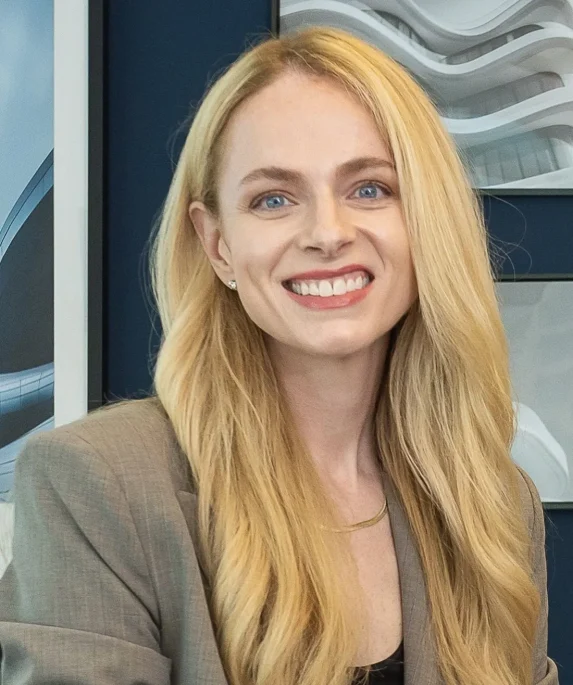
This article is contributed by Katherine Borge, Co-Founder & CBO, SharpMinds Consulting Engineers
Disclaimer: All views and opinions expressed in The Brew Opinion – our opinion section – are those of the authors and do not necessarily reflect the official policy or position of TheBrewNews.com, the company, or any of its members.
Sustainable leadership, Workplace culture, Employee wellbeing, Leadership, Management, Business strategy, Productivity, SharpMinds Consulting Engineers, Katherine Borge, Future of work