



NRI budget expectations include duty-free gold reform, simplified taxation and reverse migration support in Union Budget 2026 for stronger diaspora ties.
NEW DELHI: With India set to announce its Union Budget 2026, the global Indian diaspora — particularly those based in the UAE — are hoping for a budget that reflects their growing engagement with the nation’s development. These NRI budget expectations are centred on reforms in customs policy, return migration incentives, tax simplification and healthcare investment, which together could reshape the relationship between NRIs and India’s economic roadmap.
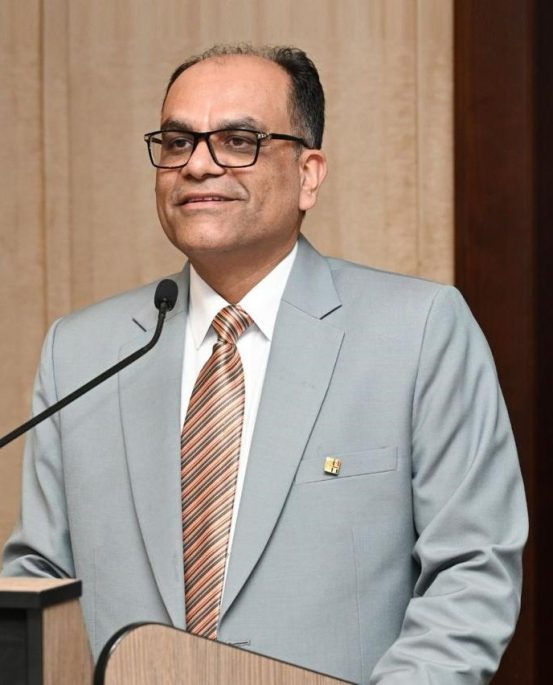
One of the most critical areas for reform, according to NRI stakeholders, is India’s customs framework. Dr. Sahitya Chaturvedi, PhD and Chartered Accountant at Ajmal Perfumes and Secretary General of IBPC Dubai, has raised concerns about the outdated value-based duty-free gold allowance. “The current model has become impractical amid frequent price fluctuations,” he explains. “It leads to ambiguity, discretionary interpretation, and avoidable disputes at airports.” Dr. Chaturvedi advocates a shift to a quantity-based allowance system — 30 grams for NRI passengers and 10 grams for Indian tourists — to bring clarity, transparency, and a more equitable approach to customs regulations.
He further stresses the need to revise the customs-free list for NRIs who are permanently returning to India, an initiative often referred to as Ghar Bapasi. “Policies must be empathetic and facilitative,” he says. “Recognising the economic and intellectual capital that returning NRIs bring can help boost India’s long-term growth while strengthening diaspora engagement.” A comprehensive customs reform, he adds, would ease compliance, strengthen trust, and align with India’s Viksit Bharat 2047 vision.
These expectations are not limited to financial and policy areas. Healthcare is another sector where NRIs believe the government must take bold steps.
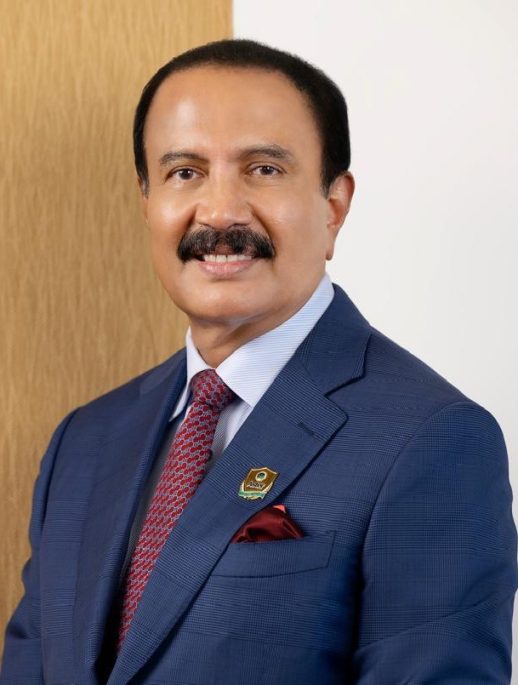
Dr. Azad Moopen, Founder and Chairman of Aster DM Healthcare, highlights the increasing demands on India’s healthcare system. “With a population exceeding 1.4 billion and a rising chronic disease burden, the system is under pressure,” he says. Dr. Moopen supports moving healthcare spending closer to 5% of GDP, which he believes is necessary to close infrastructure and workforce gaps. He credits GST 2.0 for exempting health and life insurance from GST and for reducing taxes on essential medicines.
Looking ahead, Dr. Moopen suggests that the next phase of reforms should include rationalised GST rates for advanced diagnostic equipment, recalibrated customs duties for medical technologies, and streamlined regulatory approvals for health research and digital innovation. “Targeted incentives for health start-ups and private hospitals in Tier-2 and Tier-3 cities could significantly improve access and decentralise care,” he adds. He also notes the growing need for services related to ageing, oncology, AI diagnostics, and long-term care — especially as demographic shifts alter the country’s healthcare needs.

Entrepreneur Dr. Vandana Gandhi, CEO of British Orchard Nursery, sees the budget as a litmus test for how connected NRIs feel to India’s growth journey. “I hope to see more investment in AI, startups and skilling,” she says. “For international business leaders like me, policies that ease taxation, remittance, and cross-border investments help strengthen our ability to contribute to India’s knowledge economy.” Dr. Gandhi also advocates for updates to duty-free limits for personal items, and improved digital connectivity for remittance and banking access.
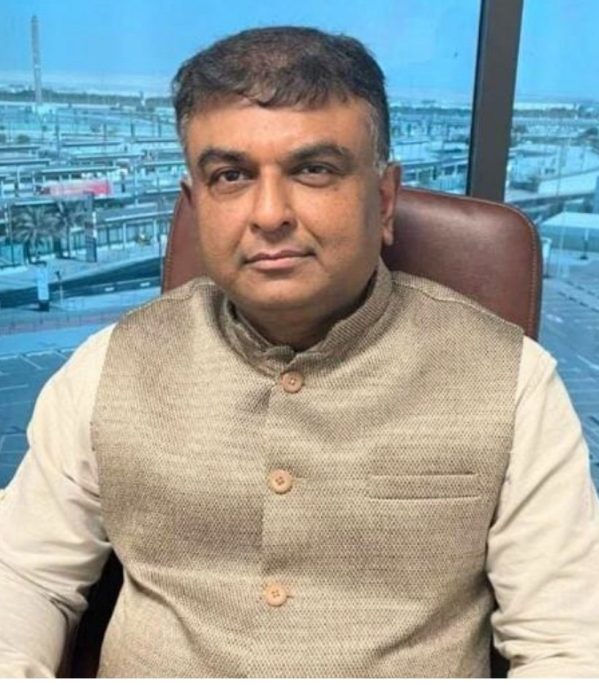
From the entrepreneurial front, Amiya Mishra, Director of AKM Foodstuff Trading in Dubai, echoes this sentiment and calls for greater tax clarity for overseas Indians. “As a UAE-based NRI, I expect the Union Budget 2026 to simplify taxation for NRIs,” he notes. “We need clearer rules on foreign income, lower long-term capital gains tax, and easier TDS procedures. Updates to the duty-free gold allowance and smoother remittance processes are equally vital.” He also highlights the importance of robust digital compliance systems to reduce friction and encourage greater investment participation from abroad.
Together, these voices form a united call for a Union Budget that reflects both the strategic and sentimental bonds that NRIs share with India. Simplifying processes, supporting return migration, and enabling diaspora-led investment will not only build trust but also help drive India’s ambition of becoming a developed nation by 2047.