

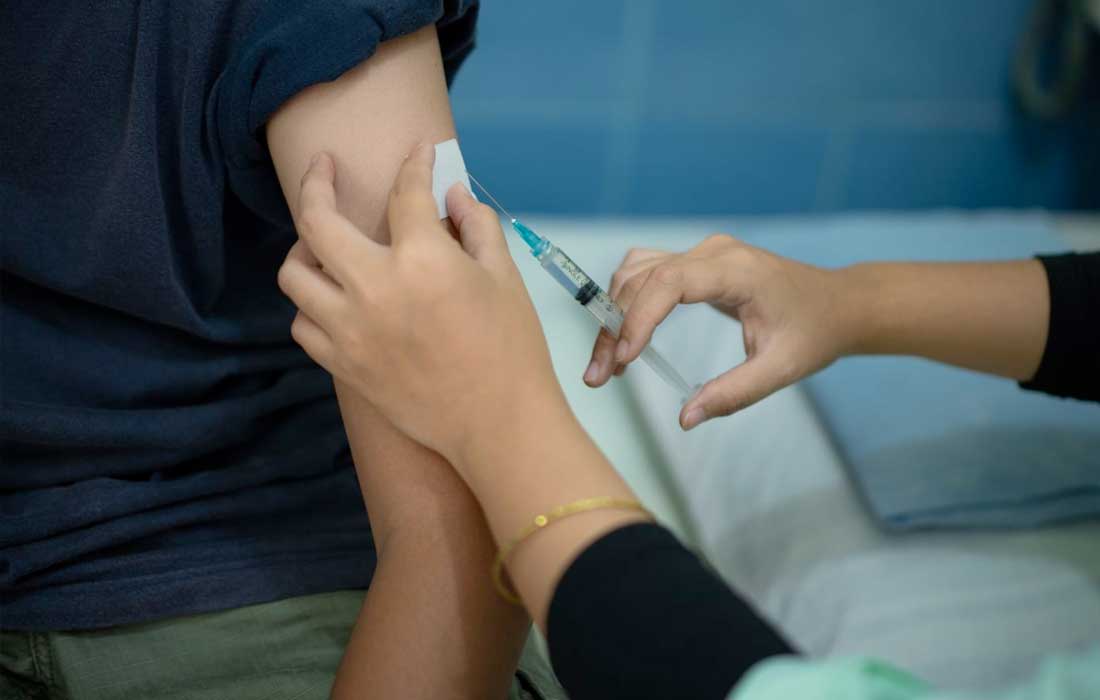

UAE flu vaccine demand is increasing after schools reopened, with doctors encouraging families to consider vaccination before influenza activity intensifies.
DUBAI: UAE flu vaccine demand is rising as children settle back into classrooms following the summer holidays, with clinics reporting more parents seeking seasonal influenza protection for their families.
Schools reopened for the new academic year on August 31, bringing children back into close contact in classrooms, buses and activities. Doctors say this creates more opportunities for respiratory viruses to spread, particularly during the first weeks of term.
Medical professionals are already seeing influenza cases alongside fever, cough, colds, sore throats and other viral illnesses among children.
Why is demand rising now?
Doctors say the increase follows a familiar back-to-school pattern.
Children who have spent much of the summer away from large classroom groups are suddenly mixing again. Families also return to the UAE after travelling internationally during the summer vacation, potentially bringing different respiratory viruses into schools and workplaces.
Paediatric specialists say viral illnesses commonly increase around two weeks after pupils return to school.
The timing has encouraged parents to seek vaccination before influenza activity becomes more widespread. Doctors say the seasonal vaccine is currently available, while UAE flu vaccine demand has also been helped by greater awareness among families about prevention.
Dubai Health Authority has separately been raising awareness about seasonal influenza this September.
Also read: UAE doctors urge parents to rethink children’s screen time amid concerns over long-term wellbeing
Who should consider the flu vaccine?
Doctors recommend annual influenza vaccination for eligible children from six months of age, with September and October considered an important period for seasonal vaccination.
Children under five and older children with certain chronic health conditions can face a higher risk of complications from influenza. Babies younger than six months cannot receive the vaccine, making vaccination among parents, siblings and caregivers particularly important for reducing their exposure.
The annual influenza campaign also places particular attention on higher-risk groups including pregnant women, older people, healthcare workers and people with chronic medical conditions.
Doctors say immunity generally takes about two weeks to develop following vaccination, meaning families should avoid waiting until influenza is already circulating widely.
Because influenza viruses change, vaccine formulations are updated for each season. The 2026-27 Northern Hemisphere formulation is now being used for the current season.
Also read: New Ebola vaccine moves closer to human trials with easier storage
What should parents watch for?
Influenza can appear suddenly and may cause fever, coughing, sore throat, headaches, body aches and significant tiredness.
Doctors are also reminding parents not to send unwell children to school. Keeping children home when they have fever or significant symptoms can reduce transmission to classmates.
Regular handwashing, covering coughs and sneezes, avoiding shared bottles and maintaining adequate sleep and hydration can provide additional protection.
As UAE flu vaccine demand increases, parents should speak to an appropriate healthcare professional about eligibility, doses and individual medical considerations rather than relying on general advice alone.
Impact to expect
Prevention. Higher vaccination uptake could help reduce severe influenza cases and limit disruption to families and schools as seasonal respiratory infections increase.