

Meta WhatsApp antitrust case intensifies in Europe as the EU challenges policy restricting rival AI services on the platform.
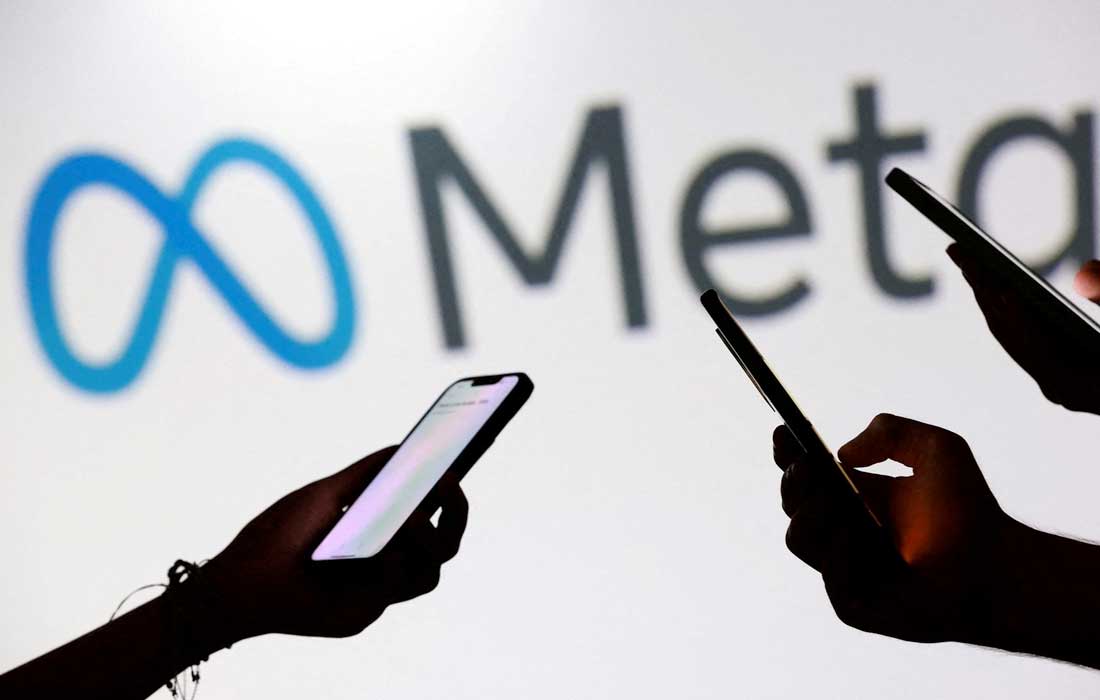
BRUSSELS: The European Commission has launched formal antitrust proceedings against Meta over its AI-related policy changes on WhatsApp, marking a significant turn in the ongoing Meta WhatsApp antitrust case. The case targets Meta’s decision to restrict third-party AI services while prioritising its in-house Meta AI assistant.
Introduced in January 2026, the policy gives Meta AI exclusive integration within WhatsApp, limiting the ability of rival AI tools to access users via the messaging platform. EU officials argue that such restrictions may distort competition in the fast-growing AI assistant market.
Regulators have warned Meta of possible interim measures if immediate adjustments are not made. These could include requiring the company to reopen WhatsApp access to external AI services while the investigation continues. The Commission cited potential “irreversible harm to competition” as justification for the urgency.
Italy has been excluded from the main proceedings due to its national competition authority pursuing a separate investigation. That probe has already led to provisional action against Meta’s AI rollout. In parallel, Brazil’s antitrust regulator has initiated its own inquiry into Meta’s AI-related market conduct.
In a product update unrelated to the investigation, Meta has begun rolling out voice and video calling features on WhatsApp Web. The new tools enable users to make encrypted one-on-one calls directly from their browsers. Group call functionality, scheduling options, and shareable call links are expected to follow in upcoming updates.
The Meta WhatsApp antitrust case underscores the growing scrutiny of tech giants’ influence over AI access and platform interoperability. The European Commission’s action is part of a broader trend of enforcing digital market fairness and safeguarding innovation across AI ecosystems.