

LEXA Translate, developed by Dubai-based Arabian AI Lab, uses 15 specialised AI agents designed to translate language alongside cultural context, idioms and meaning.
DUBAI: A UAE-based technology founder is taking a different approach to one of artificial intelligence’s persistent challenges: translating not simply words, but the cultural meaning behind them. LEXA Translate, developed by Dubai-based Arabian AI Lab, uses 15 individually specialised AI agents covering languages including Arabic, Urdu, Hindi, Persian, Mandarin Chinese, Japanese and English.
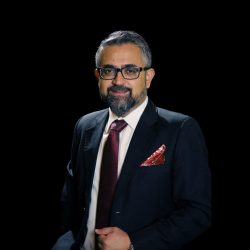
The platform was developed by Syed Tabish Babar, publicly known as Tabish Zaidi, who says he spent a year building and training the agents. Rather than relying on one general translation personality, each is designed around the linguistic and cultural characteristics of a particular language.
The idea addresses a familiar weakness in machine translation. A sentence can be technically accurate while missing an idiom, cultural reference, degree of formality or literary meaning that changes how a native speaker understands it.
LEXA Translate attempts to tackle this by having its agents assess the complete text, including its purpose, audience and register, before translating. According to Arabian AI Lab, the system can identify idiomatic expressions, culturally embedded references and terminology requiring specialist treatment.
Users can choose between literal, cultural, poetic and legal translation approaches. The platform also generates Translation Notes explaining difficult words or expressions and why particular renderings were selected.
Its Book Mode is aimed at longer works, including books, research papers and legal documents. Users can receive a complete translated version as well as a parallel edition placing the source and translated text alongside each other. The company stresses that AI-generated material should be treated as a working draft, with certified human review separately available where official or legal validation is required.
The philosophy behind the platform also has an unusual historical inspiration. Arabian AI Lab says its approach draws on the translation methodology of 18th-century Delhi scholar Shah Waliullah Muhadis Dehlawi, particularly his emphasis on preserving meaning, context and precision between languages.
Zaidi says the UAE’s multilingual environment influenced the development of the platform. Having lived in the country for more than two decades, he describes experiencing the interaction between Arabic, Urdu and English as an important part of understanding what can disappear when meaning is translated without sufficient cultural context.
With AI increasingly capable of translating everyday language, LEXA Translate is betting that the next competitive frontier will be deeper: whether machines can recognise the history, cultural assumptions and emotional associations carried inside words.
Impact to expect
Culturally aware AI translation could become increasingly relevant in the UAE, where businesses, institutions and communities routinely communicate across languages and where accuracy alone may not always preserve intended meaning.