
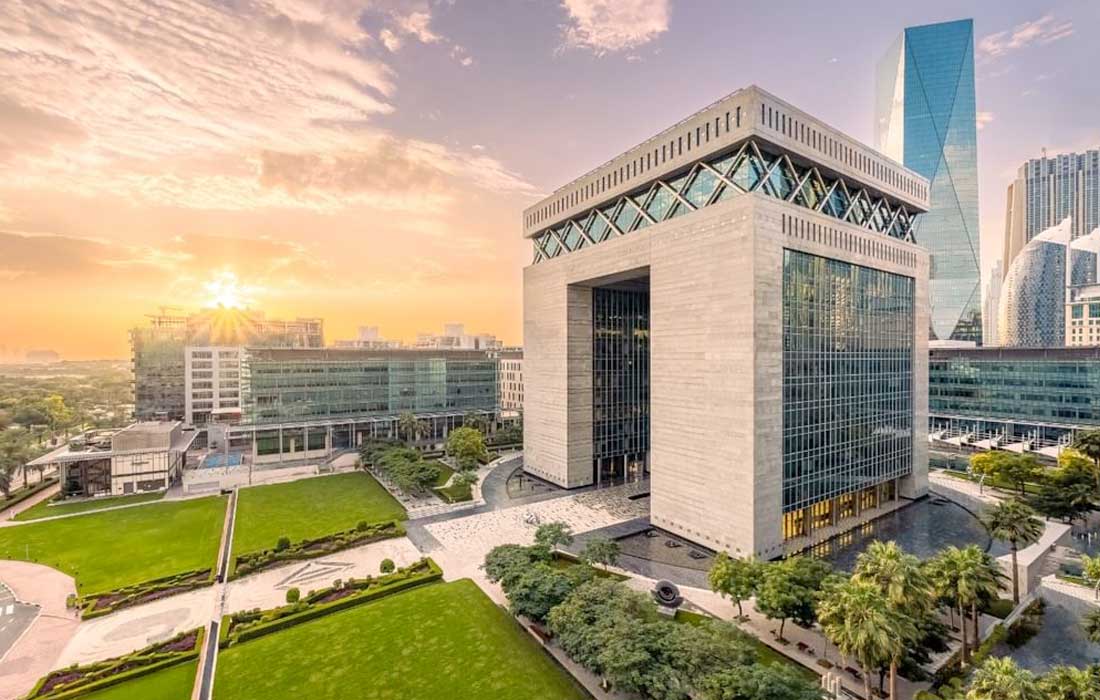

UAE foreign investment reached $48.3 billion in 2025, while a new study highlights how the country can transform capital inflows into more jobs, technological innovation, workforce skills and long-term economic growth.
DUBAI: UAE foreign investment reached $48.3 billion in 2025, but a new study argues that the country’s next challenge is not simply attracting more money. It is turning international capital into stronger businesses, new technology and lasting employment opportunities.
A report released by UAE-based White Paper Media Consulting (WPM) on November 12, 2026, titled Beyond the Numbers: The Transformative Intangible Impact of FDI, says the real value of foreign direct investment increasingly lies in skills, patents, research and productivity.
What does the $48.3 billion figure reveal?
Official figures show that the UAE attracted 3.1 per cent of global FDI inflows in 2025. Investors also announced 1,562 greenfield projects, involving $34.1 billion in planned capital expenditure.
Greenfield projects involve establishing new business operations rather than simply acquiring existing companies.
The research suggests these investment figures are significant, but investment totals alone cannot show whether local companies and workers benefit over time.
More jobs for every billion invested
One striking finding is the UAE’s job-creation performance.
Between 2019 and 2023, greenfield projects generated approximately 2,816 jobs for every $1 billion invested, compared with an OECD average of 2,318.
That also represented an improvement from the UAE’s 2,265 jobs per billion dollars during the preceding five-year period, according to the study.
For UAE foreign investment to deliver wider economic benefits, the report recommends stronger connections between international companies, local suppliers and skilled workers.
How the UAE’s investment strategy evolved
The report traces the country’s development from infrastructure building and market liberalisation between 1985 and 2005 through diversification, regulatory reforms and sustainability initiatives.
Since 2023, its emphasis has increasingly shifted towards attracting global capital, advanced technology and specialist talent.
WPM identifies seven policy shifts, including prioritising research-intensive projects, transferring specialist skills and helping mainland businesses benefit from investment activity in free zones.
It highlights the Space42 and ICEYE satellite venture, Microsoft’s $15.2 billion investment plan and the UAE’s $30 billion pledge to the Alterra climate fund as examples of investment linked to wider economic capabilities.
WPM co-founder and director Yazad Darasha described the challenge as “converting investment into skills, technology, and economic velocity.”
What comes next for the UAE?
The report argues that future investment success should increasingly be measured through patents, commercialised clean technologies, stronger digital ecosystems and improvements in local expertise.
This approach aligns with the UAE’s National Investment Strategy 2031, which aims to strengthen productivity and generate greater value throughout the economy.
Impact to expect
If these priorities translate into practical programmes, UAE companies could gain better access to technology, partnerships and specialist talent. Workers could benefit from training and new career opportunities, while investors may find a more innovative business environment. The next test for UAE foreign investment will be whether announced projects generate lasting economic gains beyond headline investment figures.